- All Hebrew nouns are derived from verbs
- * The word for "Offering" is the same as the word for "to go up". עֹלָה "Olah"
- *I was SO glad brother Satterfield provided a handout with many of the scriptural references to his discussion on the theme of the tree from the Hebrew Bible. Here is a followup to that conversation.
- *The reader of the Hebrew bible immediately picks up on an interwoven theme of trees and living water, and their strong association with covenant making, and ultimate reunion with God. This is perhaps the greatest of the "plain and precious truths" that have been lost in the bible translation, mentioned by Nephi. The authors of the bible intended the reader to understand the basic lesson of the tree, which in essence is this: The world as we know it came about by Adam and Eve partaking of the fruit of a certain tree. Prior to this event they lived in the presence of God. The fundamental lesson for all of God's children on this earth is that we must strive to go back to that original tree state of existence when Adam and Eve lived with God. That's it! It's true, we get that message in a round about way in the scriptures, but in the Hebrew text it is apparently in the forefront of the readers attention. Here are a number of scriptures that describe this theme, a number of which have been mistranslated, or left out altogether (NOTE: Not an exhaustive list), (NOTE2: Watch for words like Tree, Water, Moriah, Moreh, etc. Trees are often a symbol of the Lord's covenant people, Israel. Also, the Ladder is a symbol of a tree. Lastly, the land of Moriah is a sacred hill where many ancient prophets made covenants. This is where Abraham offered Isaac, and ultimately where Jesus Christ was crucified)
- Gen. 2:8-17
- Gen. 3:1-24
- Gen. 12:6 - Mistranslation, we don't see Abraham and the tree
- Gen. 13:18
- Gen. 21:33 - Abraham plants grove of trees
- Gen. 28:11-22 - Isaac has a dream in the area of Moriah. The Ladder is a symbol of the tree AND Christ and thus, the way to get to heaven.
- Gen. 35:1-15
- Ex. 15:23-26
- Deut. 21:22-23 - Law of Moses requires grievous sinners to be hung on a tree (reference to Christ)
- Joshua 24:1-28
- Psalms 1
- Jer. 17:1-8
- Ezek. 47:1-12
- John 1:43-51 - Verse 51 is the key... Jesus Christ is the ladder from the tree to heaven
- Gal. 3:13
- 1 Pet. 2:24
- Rev. 2:7
- Rev. 22:1-5
- 1 Nephi 8:9-12
- 1 Nephi 11:1-23
- 1 Nephi 15:22
- 2 Nephi 2:14-25
- Alma 5:34
- Alma 12:20-37
- Alma 32-33
- Alma 42:1-28
- Helaman 3:27-30
- D&C 101:44-56
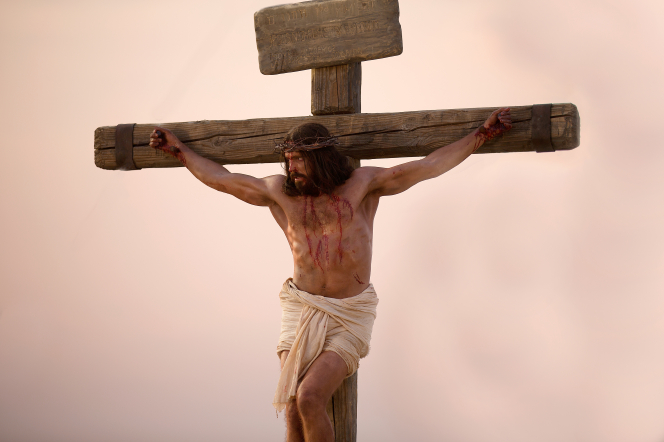
Conclusion:
- Jesus Christ is the way for men to return to the heaven-like prefallen garden state before Adam and Eve took of the fruit of the tree.
- The Land of Moriah (Moreh, etc) is a sacred and specific land consecrated by God and many holy prophets, and is strongly associated with covenants necessary for exaltation
